

The Laser-Cut Revolution in UK Manufacturing
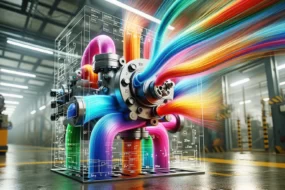
In the dynamic landscape of UK manufacturing and engineering, the advent of laser-cutting technology has marked a significant turning point, especially in the realm of designing and producing jigs and fixtures. These critical components play an indispensable role in the manufacturing workflow, facilitating the precise positioning, securing, assembly, and inspection of parts and components. This meticulous process is essential for ensuring the consistent output of high-quality goods. This article takes a deep dive into the intricate world of engineering jigs and fixtures, which are now increasingly being fashioned from laser-cut metal layers. It aims to illuminate their burgeoning importance in the sphere of contemporary manufacturing, the plethora of benefits they bring to the table, their application across a vast spectrum of industries, and the promising prospects they hold for the future of the sector.
The Precision Paradigm Shift Brought About by Laser-Cut Jigs and Fixtures
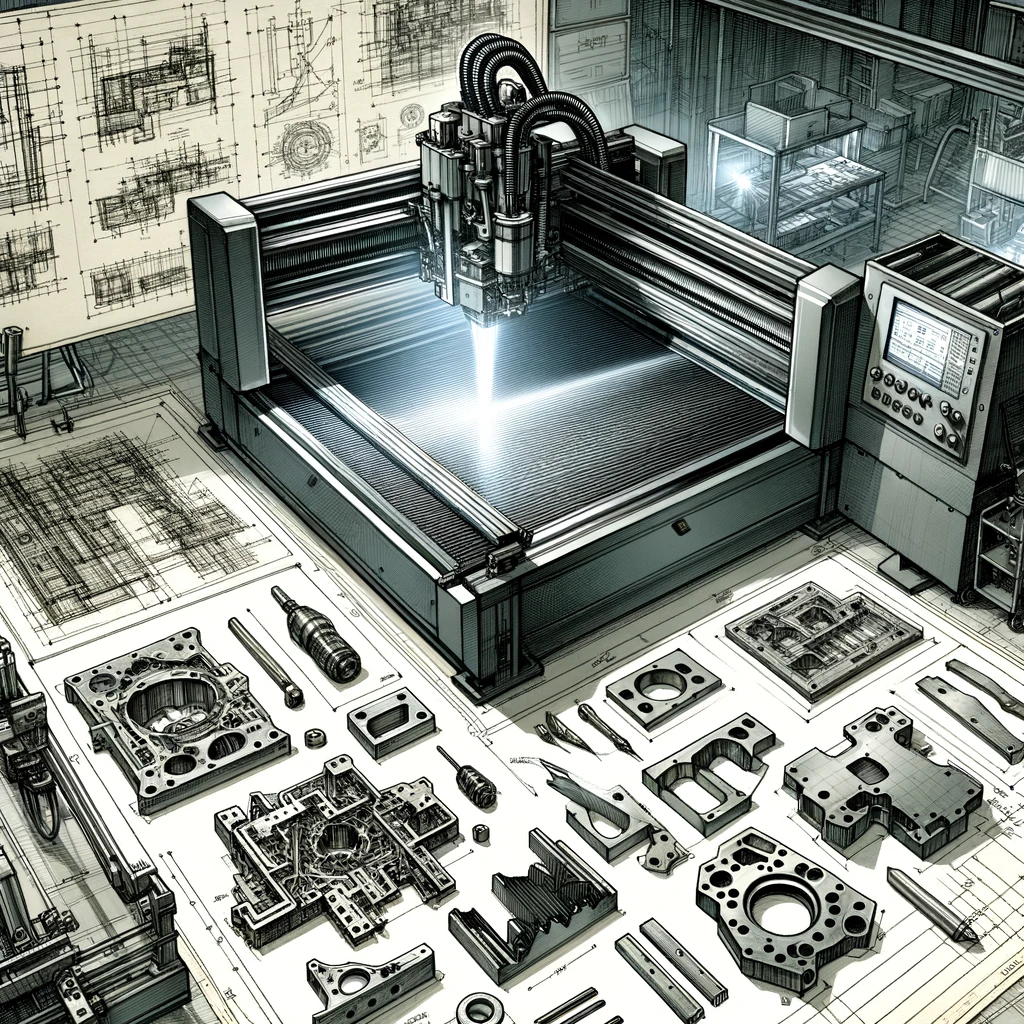
At the heart of laser cutting lies the use of a highly focused beam of light, which is employed to slice through materials with unparalleled precision. This method stands in stark contrast to traditional mechanical cutting techniques, offering a level of accuracy and detail that was once considered beyond reach. The precision that laser cutting brings to the table is particularly beneficial for jigs and fixtures, which demand exacting tolerances to perform their functions effectively. This cutting-edge technology enables the fabrication of components with intricate designs and tight tolerances, accompanied by smooth finishes that are essential for the alignment and assembly processes integral to manufacturing.
Unveiling the Multifaceted Advantages of Laser-Cut Metal Layers
Transitioning to the use of laser-cut metal layers for the construction of jigs and fixtures unlocks a host of benefits. These include unparalleled precision and consistency, the capability to create complex geometries that would be challenging or impossible to achieve with conventional cutting methods, a significant boost in production speed and efficiency, and an impressive degree of design flexibility and adaptability. Furthermore, the precise nature of laser cutting contributes to the optimal use of materials, reducing waste and promoting environmentally sustainable manufacturing practices. Collectively, these advantages lead to a reduction in errors and inconsistencies within the manufacturing process, facilitate innovative enhancements in the functionality of jigs and fixtures, expedite the design-to-production timeline, and ensure more efficient utilisation of resources.
Expansive Applications Across a Diverse Range of Industries
The utility of laser-cut jigs and fixtures is evident in their widespread application across a diverse array of industries, each deriving distinct benefits from the precision and efficiency that these tools offer. In the aerospace industry, for instance, they are vital for the assembly of intricate components that must adhere to exacting tolerance standards. The automotive sector relies on them to maintain the uniformity of parts produced on a mass scale, whereas the electronics industry benefits from the miniaturisation capabilities that laser-cut fixtures afford, which is crucial for the assembly of increasingly compact and complex devices. The medical device sector, too, leverages laser-cut jigs and fixtures for the creation of precision instruments and implants, underscoring the versatility and wide-ranging applicability of these advanced manufacturing tools.
Envisioning the Future: The Role of Laser-Cut Jigs and Fixtures in Shaping Manufacturing
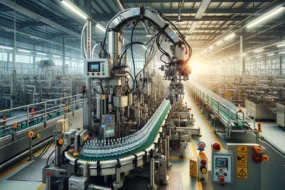
The widespread adoption of laser-cut jigs and fixtures is indicative of a broader trend towards automation and enhanced precision within the manufacturing sector. As laser technology continues to evolve and mature, it is poised to unlock new frontiers in design complexity and operational efficiency. This evolution, when viewed in conjunction with advancements in complementary technologies such as 3D printing, artificial intelligence, and machine learning, suggests that the future of manufacturing will be characterized by highly efficient, adaptable, and cost-effective production lines. These future production environments are expected to have the capability to fabricate products with a level of precision that is currently unparalleled.
The Ongoing Evolution of Laser-Cutting Technology and its Implications
The continuous advancements in laser-cutting technology are not only enhancing the capabilities and performance of jigs and fixtures but are also paving the way for the adoption of more sustainable manufacturing practices. These technological strides are enabling mass customisation, a trend that aligns with growing consumer demand for personalised products. The move towards laser-cut manufacturing tools reflects a commitment to environmental sustainability, with the precise cutting techniques significantly reducing material wastage and promoting more efficient resource use.
In Conclusion: The Transformative Impact of Laser-Cut Jigs and Fixtures
The integration of laser-cut metal layers in the engineering of jigs and fixtures signifies a profound advancement in the field of manufacturing technology. Their ability to improve precision, speed up production processes, and enhance efficiency is reshaping the manufacturing landscape across various industries. Looking ahead, the role of these sophisticated tools is expected to expand, driving the industry towards a new era marked by innovation, efficiency, and sustainability. The journey of laser-cut jigs and fixtures, from their niche beginnings to becoming a cornerstone of modern manufacturing, exemplifies the industry’s relentless pursuit of technological advancement and quality improvement. As this technology continues to evolve, it promises to deepen its integration into the manufacturing ecosystem, further boosting the industry’s capacity to produce high-quality products in an efficient and sustainable manner. The future of manufacturing, with laser-cut jigs and fixtures at its heart, is set to unfold a landscape where precision, customisation, and intelligent production redefine the way goods are produced for future generations.