

From Abstract to Clarity
In the realm of manufacturing, countless documents are produced that end up serving little to no purpose, effectively becoming clutter. These include unread reports, ignored diagrams, and specifications that bear no resemblance to the final product. The creation of these documents is not only time-consuming and expensive but their impact is fleeting.
To foster clearer understanding and communication, it’s advisable to adopt more direct and tangible methods of explanation. For instance, visual representation can be more effective than textual description, and auditory examples can surpass written explanations. Reducing the distance between the concept and its comprehension by minimising abstract representations can lead to more effective communication.
Abstractions, such as written reports and documents, often lead to misunderstandings and false consensus. This occurs because each individual interprets the same set of words differently, leading to varied mental representations. The goal should be to achieve a shared and concrete understanding as quickly as possible, akin to the immediate recognition we have when we see a person in real life, as opposed to imagining a character from a book. This direct approach can bridge gaps in understanding and ensure that everyone is on the same page.

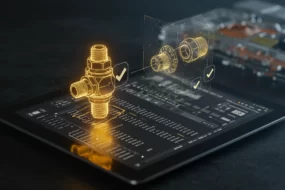
Leveraging 3D modelling in project engineering significantly enhances clarity in communication by effectively cutting through abstraction. With 3D models, complex engineering concepts and designs are transformed into vivid, easily interpretable visuals, allowing for immediate comprehension across all project stakeholders.
The strength of 3D modelling lies in its ability to bring theoretical ideas into a visually tangible realm. This eliminates the need for extensive verbal or written explanations, as the model itself conveys the necessary information. Stakeholders can interact with the model, examining it from various angles and gaining a comprehensive understanding of the design, its components, and its functionalities.
Furthermore, 3D models facilitate collaborative discussions by providing a concrete reference point. This shared visual context helps prevent misinterpretations and ensures that everyone is aligned with the project’s objectives and specifications. It also allows for real-time adjustments and feedback, streamlining the decision-making process and enhancing the efficiency of project development.
In summary, the use of 3D modelling in engineering projects transcends traditional barriers of abstract communication, fostering a more intuitive and engaging exchange of ideas. This approach not only accelerates project timelines but also improves the quality of outcomes by ensuring that all parties have a clear and unified understanding of the project from the outset.