

Maximising product margins
Advantages of NPI in Off-Highway Vehicle Fabrication
In the realm of industrial fabrication, the New Product Introduction (NPI) process represents a crucial pathway from concept to reality, intricately weaving through various phases of design, development, and deployment. Central to this process is the designing and constructing of essential fixtures that underpin the manufacturing process. Navigating through the complexities of NPI, engineers balance the scales of creativity and functionality, this journey presents an array of challenges that test the resilience of the team, making the NPI process a cornerstone of success.
Innovation and Competitive Edge: The NPI process is instrumental in delivering cutting-edge products to the market. It ensures that the company remains at the forefront of technological advancements and design innovations, which is vital in a highly competitive industry. The incorporation of SolidWorks in the design and construction of fixtures plays a significant role in this, by enabling more precise and efficient translation of concepts into tangible products.
Process Efficiency: Leveraging SolidWorks for the design and creation of fixtures significantly enhances the precision of the final products. It streamlines the journey from conceptualisation to production, ensuring that the resulting products adhere to stringent quality standards while optimising production timelines.
Cross-functional Collaboration: The NPI process nurtures a culture of collaboration across various departments, from the design team to the production floor. This interdepartmental synergy fosters a more cohesive and efficient approach to product development, leveraging a diverse range of expertise for superior outcomes.
Market Alignment: A key advantage of the NPI process is its ability to integrate feedback from the market and emerging trends directly into the design phase. This ensures that the new products not only meet but potentially exceed customer expectations, keeping the company aligned with market demands.
Challenges in the NPI Process
Resource Intensiveness: The NPI process, particularly within the off-highway vehicle fabrication sector, demands considerable resources. It requires significant investments in terms of time, personnel, and financial capital, which can strain the company’s resources.
Risk of Failure: Introducing a new product is inherently risky. There’s always a possibility that the product may not meet its intended technical performance, leading to potential financial losses and damaging the company’s reputation.
Complex Coordination: The NPI process involves numerous components, from the initial SolidWorks design to prototype testing and final production. Managing these elements demands intricate coordination, which can introduce potential bottlenecks or delays in the timeline.
Compliance and Testing: Ensuring new products comply with stringent industry regulations and standards is a complex and often lengthy process. It necessitates extensive testing, which can uncover the need for redesigns or modifications, further complicating the NPI process.
High Manufacturing Costs and Low Yield: If production costs are high and yields are low, it might indicate inadequate consideration for Design for Manufacture (DFM) and Design for Assembly (DFA). Utilising tools like Process Failure Mode Effects Analysis (PFMEA) can pinpoint process inefficiencies and improve production stability.
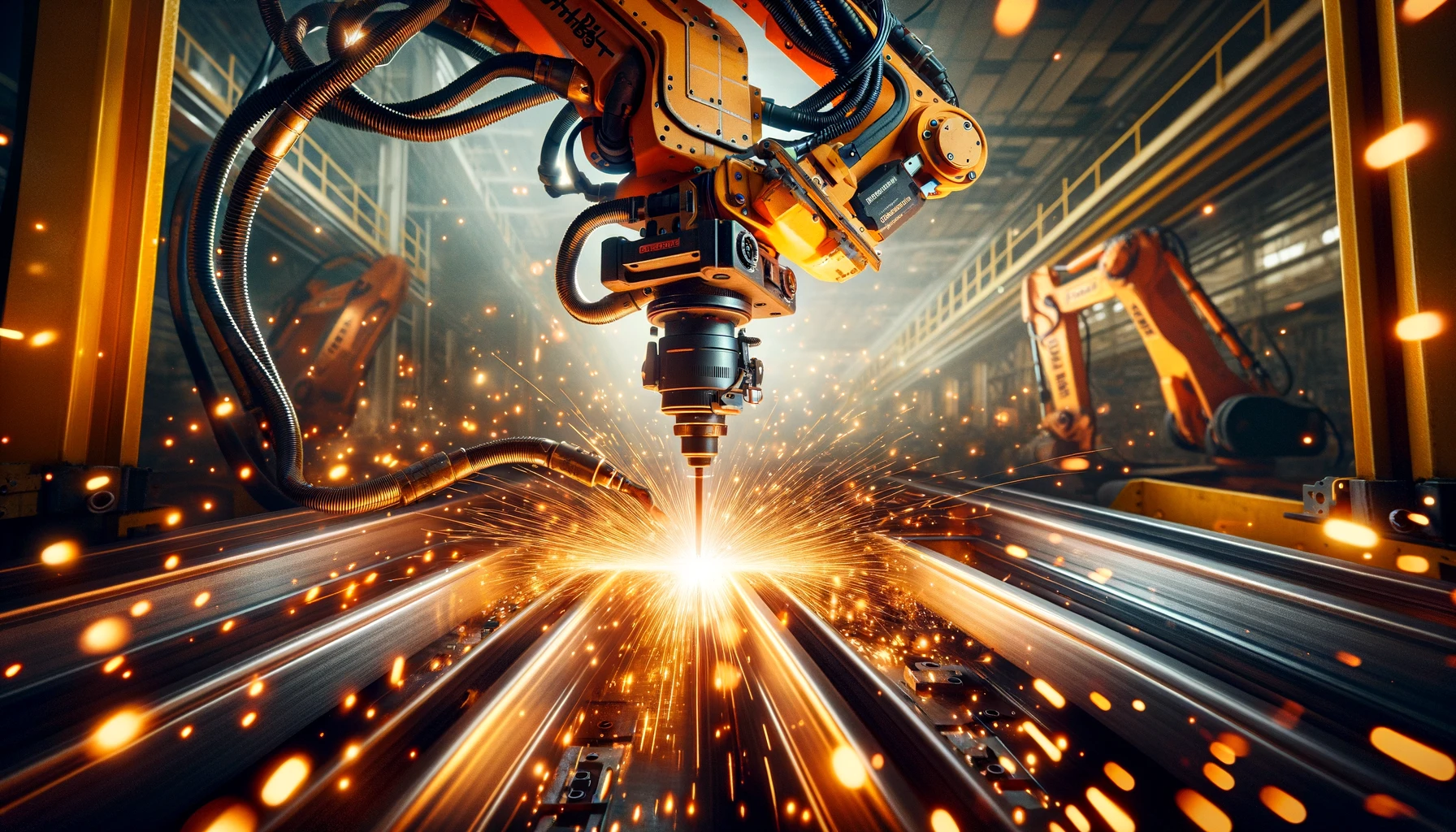
Mechanical Principles in Fixture Design for NPI
Clamping and Securing: An effective fixture design must ensure that the workpiece is securely clamped and held in position without causing damage or deformation. This involves a deep understanding of clamping forces and friction to prevent any slippage during the machining or assembly processes.
Support and Location: Providing adequate support and precise location for the workpiece is essential for accurate machining or assembly. This is often achieved through the application of the 3-2-1 rule, which aims to constrain all degrees of freedom without over-constraining the part, ensuring precision in the final product.
Accessibility and Clearance: The design of fixtures must take into account the accessibility of tools and the necessary clearance for machining processes. This involves applying kinematic principles to ensure that manufacturing processes can proceed without obstructions, allowing tools to access all required areas.
Modularity and Flexibility: Given the dynamic nature of NPI, fixtures must be designed to be both modular and flexible. This allows them to accommodate variations in part design and to be easily adapted for different manufacturing processes, enhancing the overall efficiency of the NPI process.
Material Considerations: Selecting the right materials for fixtures is crucial and involves understanding their mechanical properties, such as strength, hardness, and wear resistance. This ensures that the fixtures can endure the manufacturing forces without failure or causing contamination of the parts being produced.
Ergonomics and Safety: Fixture design must also consider ergonomic principles to ensure that they can be safely and efficiently handled by operators. This includes minimising the risk of injury and fatigue by considering human factors like reach, strength, and repetitive motion.
Tolerance and Precision: Maintaining the required tolerances and precision for fabricated body parts is critical. This involves adhering to principles of dimensional metrology and geometric tolerancing to ensure that the fixtures can accurately position the workpiece for precise manufacturing outcomes.
Thermal Expansion: Especially pertinent in metal fabrication, consideration of thermal expansion is essential. Materials may expand or contract under varying temperatures during the manufacturing process, and understanding these changes is crucial to designing fixtures that maintain precision regardless of thermal variations.
By adhering to these mechanical principles, engineers are equipped to design and construct effective fixtures that bolster the efficiency, accuracy, and safety of the NPI process in the fabrication of body parts for off-highway vehicles, ensuring the successful realisation of innovative and competitive products.
In summary, while the NPI process presents significant opportunities for innovation and maintaining a competitive advantage, it is not without its challenges. These include substantial resource requirements, the inherent risk of new product introductions, complex coordination needs, and the rigorous demands of compliance and testing. Managing these aspects effectively is crucial for the successful execution of the NPI process in off-highway vehicle fabrication.