

The Initial Sample Inspection Report (ISIR) process
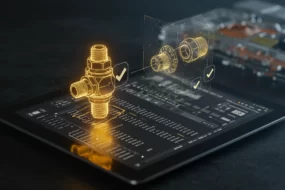
The Initial Sample Inspection Report (ISIR) process is a pivotal phase within the engineering project lifecycle, particularly from a cost perspective. In essence, it is the first thorough assessment of production viability against customer specifications, where a tangible examination of sample parts or products occurs. This phase is inherently intertwined with cost considerations, as it provides the earliest opportunity to mitigate the financial risks associated with scaling up production.
Cost Implications in the ISIR Process
Pre-emptive Quality Control: The ISIR process allows for the identification and rectification of potential manufacturing issues at a stage where the cost of changes is relatively low. By catching defects early, before mass production commences, the project avoids the exorbitant costs associated with large-scale wastage and rework.
Supplier Negotiations: Effective ISIRs can serve as a tool for negotiating costs with suppliers. If the samples do not meet the agreed standards, the ISIR can be the basis for discussions to ensure subsequent batches are of higher quality without incurring additional costs.
Material Utilisation: The ISIR process often includes a review of material usage and wastage. By optimising material utilisation at this early stage, a project can realise substantial cost savings, especially when projected over the entirety of the production run.
Time Management: Time is a critical factor in project costs. The ISIR phase, if managed efficiently, can reduce the time to market, thereby saving costs on project management and speeding up the revenue generation from the final product.
Streamlining Production: The feedback from the ISIR process can be used to streamline the production process. Improvements in efficiency not only save costs directly by reducing the time and materials required but also indirectly by improving product quality and consistency.
Incorporating Cost Control into the ISIR Process
Clear Specification Setting: It starts with clear and precise specification setting. Ambiguity can lead to incorrect interpretations, which in turn can lead to costly rework. Specifications must be detailed and aligned with the capabilities of the production facilities.
Robust Inspection Criteria: The criteria used during the ISIR must be robust enough to ensure that any deviations from specifications that would incur costs later on are identified. This includes both physical inspections and functional tests.
Collaborative Approach: Engaging with cross-functional teams, including design, production, and finance during the ISIR process, can help in identifying cost-saving opportunities while maintaining quality standards.
Leveraging Technology: Utilising advanced inspection technologies can lead to more accurate inspections, reducing the likelihood of oversight that could result in costly recalls or rejections by the customer.
Documentation and Analysis: Thorough documentation and analysis of the ISIR results can provide insights into potential cost savings in the production process, as well as in the supply chain management.
Conclusion
The ISIR process, when executed with a meticulous eye on quality and cost, can be a bulwark against financial overspend in manufacturing projects. It affords a project engineer the opportunity to set the tone for the balance between quality assurance and cost-effectiveness. With the right approach, it is possible to use the ISIR as a springboard for both economic and engineering success.